Keep more of your electricity for when you actually need it.
Solar panels often produce their best output in the middle of the day, right when many homes are empty. A battery bridges that gap, storing spare generation and making it available come evening. Compatible systems can also charge from selected off-peak tariffs. Solar and battery installations are currently zero-rated for VAT, a relief that runs until 31 March 2027.
Is battery storage worth it?
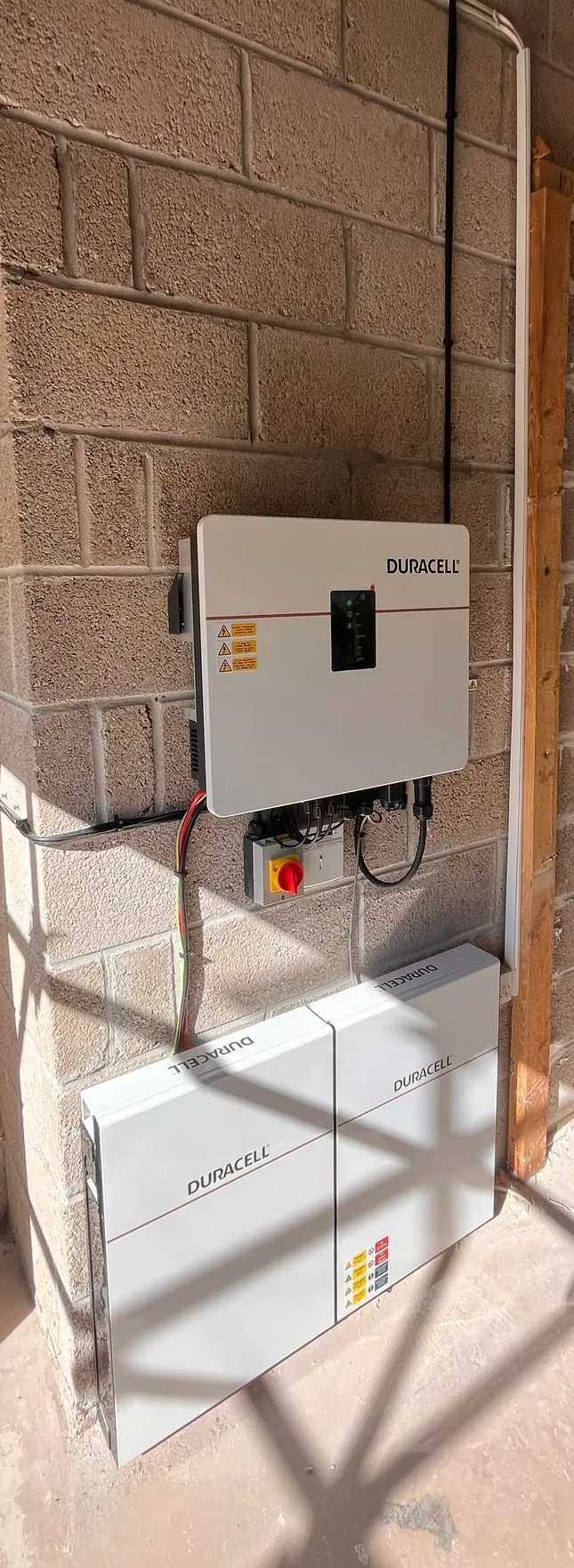
That really comes down to when your household uses power. Evening-heavy usage is where a battery earns its keep, banking what your panels generated during the day instead of sending it back to the grid for less than you’d pay to buy it back later. We won’t assume it’s the right call for you; that’s a conversation we have properly as part of your quote.
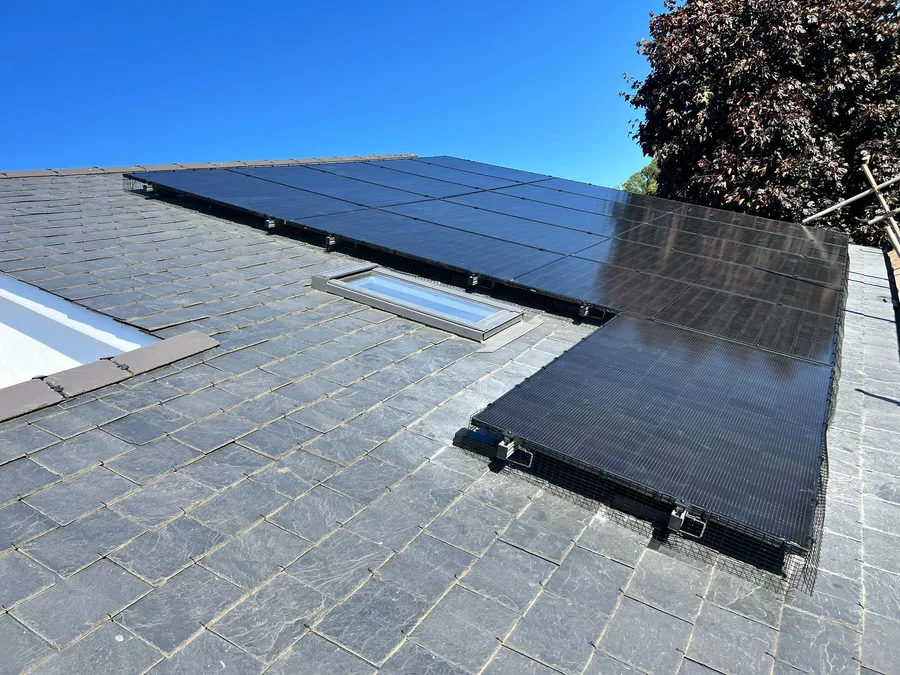
Most existing solar arrays can take a retrofitted battery without touching the panels themselves. Your inverter and setup get checked first to confirm it’ll work together properly.
How big a battery should you actually get?
Batteries sold for UK homes span roughly 5 kWh up to 50+ kWh, though hardly anyone actually needs the far end of that scale. A typical 3–4 bedroom household gets through 3,500–5,000 kWh a year, with evening and overnight draw (once the sun’s stopped doing the work) landing around 3–7 kWh. In practice, that puts most Devon homes comfortably in an 8–16 kWh usable-capacity bracket, big enough to cover a normal evening without you paying for headroom you’ll never touch.
Averages only get you so far: a household running the washing machine, oven and TV every evening needs more capacity than one that’s mostly empty until bedtime. Every system we spec is sized against your actual pattern of use, not a one-size-fits-all number.
A battery does more than just bank solar.
Storing your own daytime generation for later is the headline job, but that’s not all a modern battery can do. Most can also top up from the grid on a cheap overnight rate and release that during expensive peak hours, or push stored charge back out under the Smart Export Guarantee when the export price beats the cost of holding onto it. Whether any of that is worth setting up for you depends entirely on your tariff, which we’ll go through when we quote.
Can I add a battery without solar panels?
Yes, that’s a genuine standalone option. Charging purely from a cheap overnight grid rate and drawing it down during peak hours still works, though you’ll generally see a quicker payback if it’s paired with solar.
How long do home batteries last?
A 10-year warranty (or a set cycle count, whichever comes first) is standard across most lithium home batteries on the UK market, and in practice they tend to keep going well past that. We confirm the exact terms for whichever product ends up in your quote.
Where does the battery get installed?
Most commonly a garage, utility room, or mounted on an external wall near your consumer unit and inverter, wherever keeps the cable runs short. The survey settles the exact spot for your property.
Pairs well with.
See what battery storage would cost you.
Takes about two minutes to request.
Free, no-obligation quote from your local MCS-certified installer, takes less than a minute. No spam, no cold-calling list sale.